Cancer Conversations: The Questions Patients Aren’t Allowed to Ask

Updated: May 6
There’s a moment—quiet, often overwhelming—when a patient hears the word cancer.And in that moment, something else happens too.
The questions begin.
Not just the ones asked in the exam room…But the deeper ones. The uncomfortable ones. The ones that don’t always get voiced out loud.
Because somewhere along the way, many patients have learned—whether directly or indirectly—that there are limits to what they’re “allowed” to ask.
The Questions That Stay Unspoken
Patients are often guided through a very structured path: diagnosis, treatment plan, next steps. And while this approach can be life-saving, it can also leave little room for exploration beyond the standard protocol.
So the questions start to linger beneath the surface:
Why did this happen to me?
Is there something deeper going on in my body?
Are there other approaches I should be considering?
What role does nutrition play in my healing?
Why do some people recover… and others don’t?
Is there something no one is telling me?
These aren’t rebellious questions.They’re human ones.
They come from a place of wanting to understand, to participate, to take ownership of one’s health journey.
But too often, patients feel rushed, dismissed, or even discouraged from asking them.
When Curiosity Is Mistaken for Resistance
In today’s healthcare system, time is limited. Appointments are short. Protocols are standardized. And providers are often doing their best within a system that prioritizes efficiency.
But curiosity can sometimes be misinterpreted.
A patient asking deeper questions may be seen as:
“Non-compliant”
“Overwhelmed”
Or even “difficult”
When in reality, they are simply trying to make sense of what’s happening inside their own body.
And this is where the gap begins.
A gap between treatment and understanding.Between being told what to do and being invited into the conversation.
A Different Kind of Conversation
What if cancer care included more than just a treatment plan?
What if it included space for:
Education
Exploration
Honest dialogue
And yes… even challenging the status quo
There are voices emerging in healthcare that are working to open up these conversations—voices that believe patients deserve more than just instructions. They deserve insight.
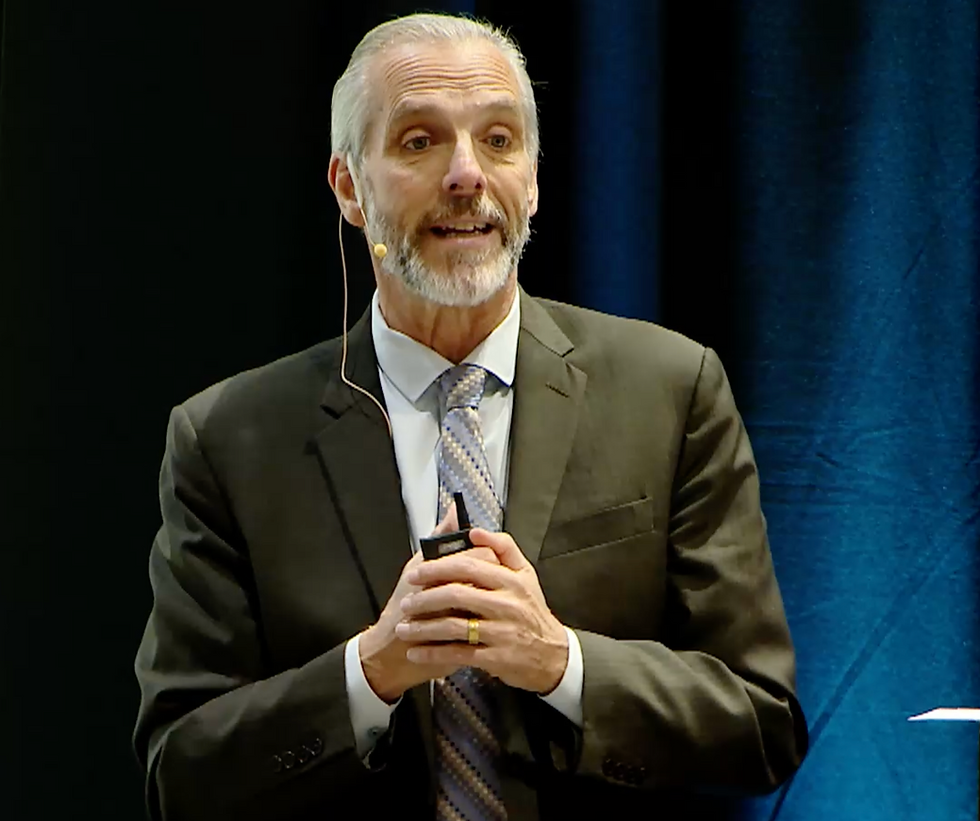
One of those voices is John Richardson.
Continuing a Legacy of Education
John Richardson’s work is deeply rooted in a legacy that has long emphasized one powerful idea:
Patients should be informed.
Inspired by his father’s pioneering work in alternative cancer care, Richardson has dedicated his efforts to educating others on perspectives that are often left out of mainstream discussions.
His mission isn’t to create fear.It’s to create awareness.
Through his involvement with World Without Cancer, Richardson has helped bring forward conversations around:
The body’s natural healing mechanisms
The role of nutrition and metabolic health
And the importance of understanding why disease develops—not just how to treat it
Whether someone agrees with every perspective or not, one thing is clear:
He is asking the questions many patients have been afraid to voice.
Why This Matters Now
We are living in a time where information is more accessible than ever—yet many patients still feel disconnected from their own care.
They are searching.They are reading.They are trying to piece together answers on their own.
And what they’re really looking for isn’t just treatment…
It’s clarity.It’s empowerment.It’s a voice in their own healing journey.
Creating Space for Better Questions
At its core, this isn’t about choosing one approach over another.
It’s about expanding the conversation.
It’s about creating a space where patients feel safe to ask:
What else should I know?
What are all of my options?
How can I support my body beyond treatment?
Because better questions don’t undermine care.
They enhance it.
The Conversation Continues
Events like Secrets in Healthcare are built around this very idea:
That healthcare needs a new conversation.
One where patients, practitioners, and thought leaders come together to explore what’s working… what isn’t… and what might be missing.
This year, John Richardson will once again take the stage—not just to share information, but to challenge perspectives and invite deeper thinking.
Because the goal isn’t to tell people what to believe.
It’s to encourage them to ask better questions.
Final Thought
If you or someone you love is walking through a cancer journey, know this:
You are allowed to ask questions.You are allowed to seek understanding.You are allowed to explore.
And sometimes…the most powerful step forward begins with a question no one else thought to ask.
Want to be part of the conversation?Join us at Secrets in Healthcare 2026 and hear from voices like John Richardson who are helping reshape how we think about health, healing, and the questions that matter most.
This content is for educational purposes only and is not medical advice. Always consult your healthcare provider before making health-related decisions.


Comments